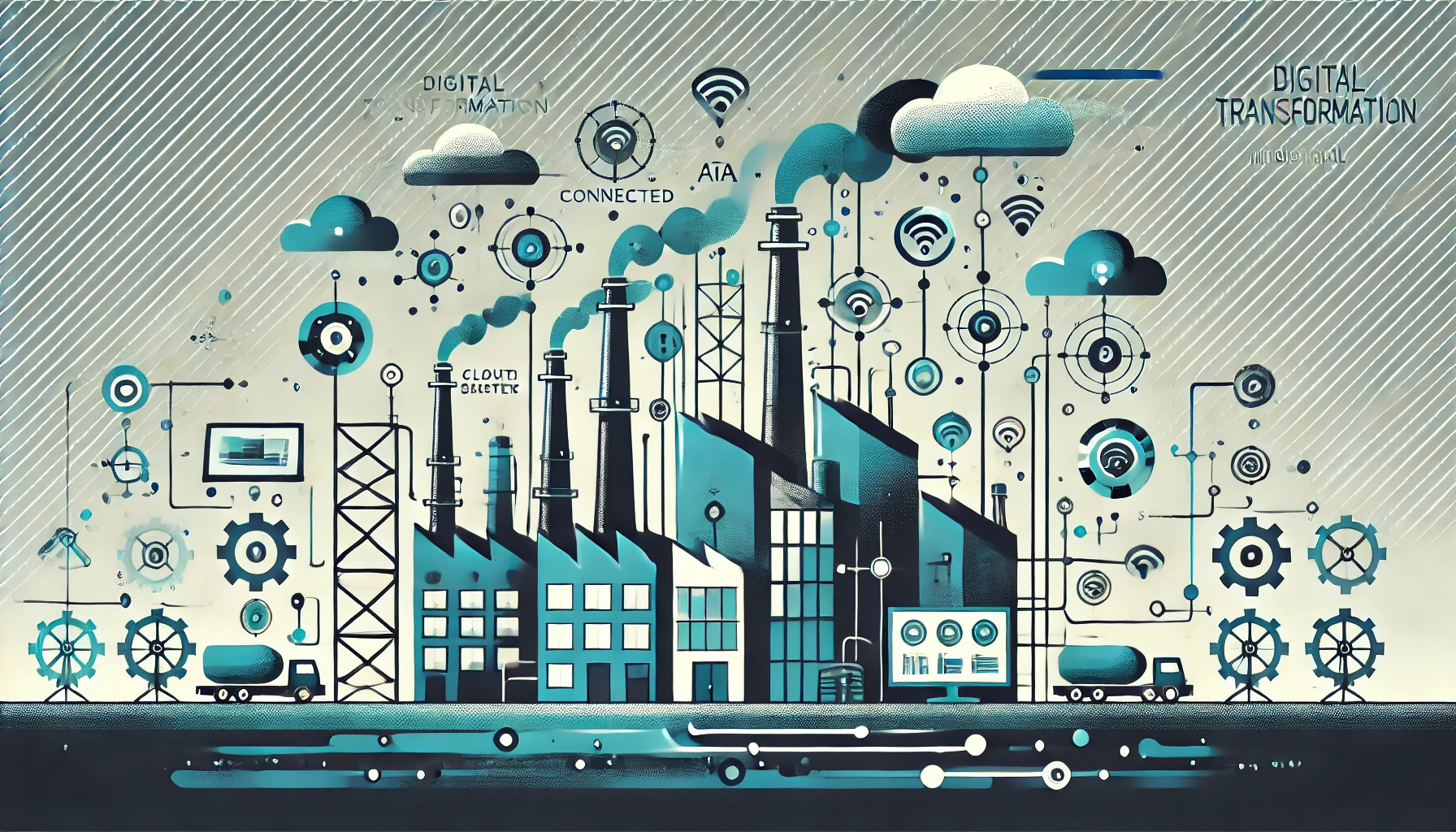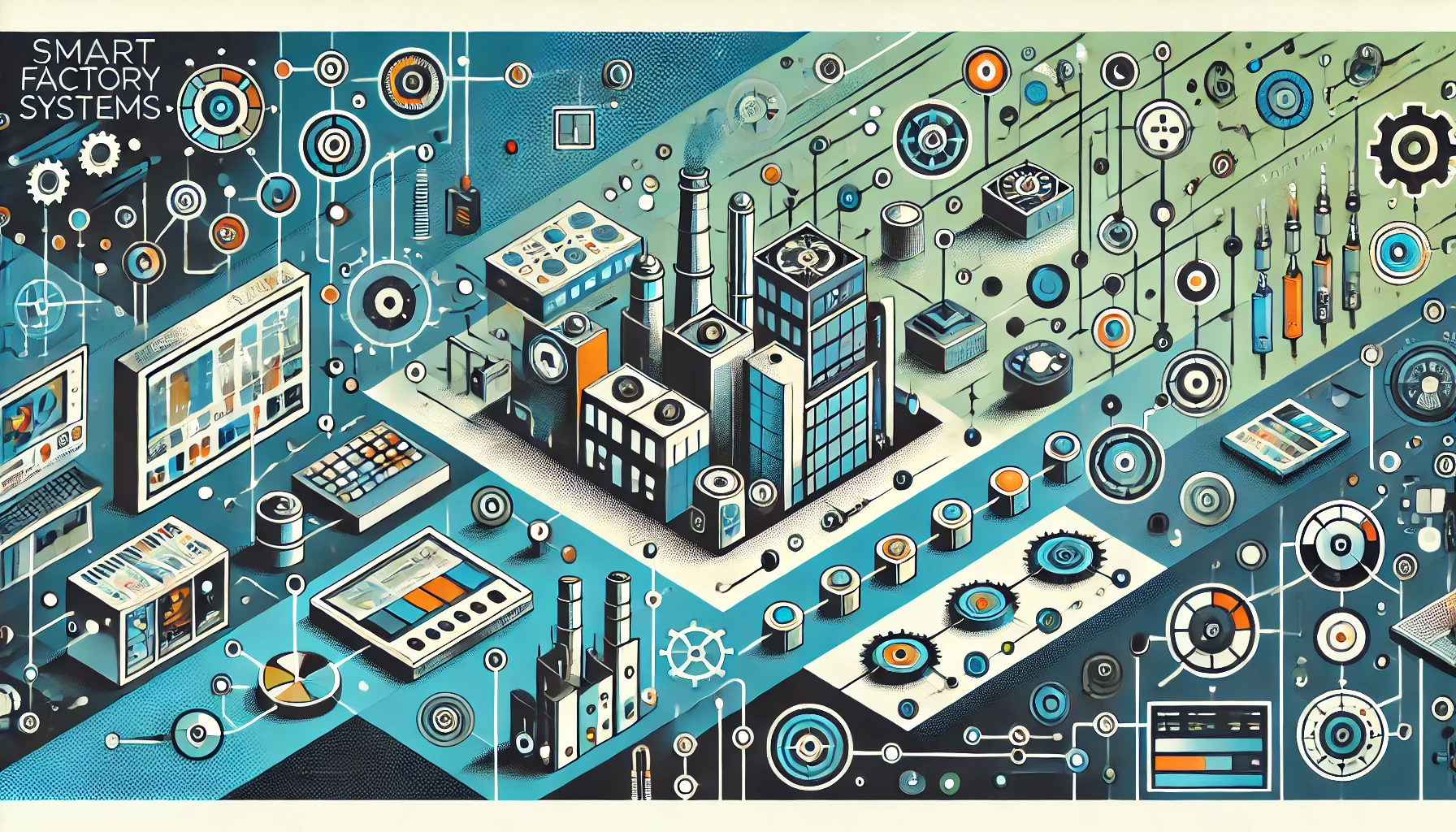
Smart factory systems refer to digitally connected manufacturing environments where machines, software, and people communicate seamlessly to optimize production, quality, and efficiency. In the first paragraph, it’s important to clearly explain that a smart factory goes beyond simple automation. It uses advanced technologies such as IoT, artificial intelligence, cloud computing, and real-time data analytics to create a self-aware, adaptive production system. These factories can monitor themselves, predict issues, and continuously improve operations, making them a cornerstone of modern manufacturing and Industry 4.0.
What Is a Smart Factory?
A smart factory is a manufacturing facility that uses interconnected systems and data-driven technologies to automate, optimize, and adapt production processes in real time. Unlike traditional factories, where machines often operate in isolation and decisions rely heavily on manual oversight, smart factories integrate machines, sensors, software platforms, and human input into a single intelligent ecosystem.
The defining characteristic of a smart factory is connectivity. Machines, production lines, supply chains, and enterprise systems exchange data continuously. This data is analyzed instantly to improve efficiency, reduce waste, enhance quality, and respond quickly to changes in demand or operating conditions.
Smart factories are not limited to large corporations. Advances in cloud services, affordable sensors, and modular software platforms have made smart factory systems increasingly accessible to small and mid-sized manufacturers.
The Core Technologies Behind Smart Factory Systems
Smart factory systems are built on several foundational technologies that work together to enable intelligence, automation, and adaptability.
Industrial Internet of Things (IIoT)
IIoT connects machines, sensors, and devices across the factory floor. Sensors collect data on temperature, vibration, speed, energy consumption, and production output. This data is transmitted to central systems for analysis, providing real-time visibility into operations.
Manufacturing Execution Systems (MES)
MES software acts as the operational brain of a smart factory. It tracks production orders, monitors work-in-progress, enforces quality standards, and ensures traceability. MES bridges the gap between shop-floor equipment and higher-level business systems.
Enterprise Resource Planning (ERP)
ERP systems manage business-level processes such as inventory, procurement, finance, and human resources. In a smart factory, ERP integrates tightly with MES and IoT platforms to align production with demand, supply availability, and financial goals.
Artificial Intelligence and Machine Learning
AI and machine learning analyze large volumes of factory data to identify patterns and predict outcomes. These technologies power predictive maintenance, demand forecasting, defect detection, and process optimization.
Cloud and Edge Computing
Cloud platforms provide scalable data storage, analytics, and system integration. Edge computing processes data close to machines for low-latency decisions, such as stopping equipment when anomalies are detected.
Robotics and Automation
Advanced robots, including collaborative robots (cobots), perform repetitive or hazardous tasks. In smart factories, robots are flexible, programmable, and integrated with other systems for coordinated production.
How Smart Factory Systems Work
Smart factory systems operate as an interconnected loop of data collection, analysis, decision-making, and action.
First, sensors and machines collect real-time data from production processes.
This data is transmitted to MES, IoT platforms, or cloud systems where it is analyzed.
AI algorithms and business rules identify inefficiencies, quality issues, or potential failures.
The system then triggers automated responses or alerts operators to take action.
Over time, the system learns from outcomes and continuously improves performance.
This closed-loop approach enables factories to move from reactive operations to proactive and predictive management.
Key Benefits of Smart Factory Systems
Smart factory systems deliver measurable benefits across multiple dimensions of manufacturing performance.
Higher Productivity: Real-time optimization reduces downtime and improves equipment utilization.
Improved Quality: Automated inspection and data-driven quality control reduce defects and rework.
Reduced Downtime: Predictive maintenance identifies equipment issues before breakdowns occur.
Operational Transparency: Managers gain real-time visibility into production, inventory, and performance.
Energy Efficiency: Monitoring energy usage helps reduce waste and operating costs.
Faster Decision-Making: Data-driven insights replace guesswork with actionable intelligence.
Real-World Use Cases
Smart factory systems are already transforming manufacturing across industries.
In automotive manufacturing, smart factories use robotics, AI-driven quality inspection, and predictive maintenance to maintain high throughput and precision.
Electronics manufacturers leverage real-time traceability and defect analytics to manage complex, high-mix production lines.
Food and beverage producers use smart systems to monitor hygiene, temperature, and batch consistency while meeting strict regulatory requirements.
Small manufacturers adopt cloud-based MES and IoT sensors to improve scheduling, reduce scrap, and compete with larger players.
Cost Considerations and Investment
The cost of implementing smart factory systems varies widely based on scope, technology choices, and existing infrastructure.
Initial investments may include sensors, networking equipment, software licenses, integration services, and training.
Small-scale implementations can start with a single production line or use case, such as predictive maintenance or energy monitoring.
Large-scale transformations may involve multi-year investments covering ERP-MES integration, robotics, and advanced analytics.
While upfront costs can be significant, return on investment often comes from reduced downtime, higher throughput, lower scrap rates, and better inventory management.
Pros and Cons of Smart Factory Systems
Pros
Increased efficiency and productivity.
Better quality and consistency.
Predictive insights reduce unplanned downtime.
Scalable and adaptable to changing demands.
Improved competitiveness in global markets.
Cons
High initial investment for comprehensive implementations.
Integration complexity with legacy systems.
Cybersecurity risks if not properly managed.
Skill gaps requiring workforce training.
Change management challenges during adoption.
Smart Factory Systems vs Traditional Manufacturing
| Aspect | Traditional Factory | Smart Factory |
|---|---|---|
| Data Collection | Manual or limited | Real-time, automated |
| Decision-Making | Reactive | Predictive and proactive |
| System Integration | Siloed | Fully connected |
| Flexibility | Low | High |
| Scalability | Limited | Modular and scalable |
How to Start Building a Smart Factory
Start by identifying key pain points such as downtime, quality issues, or lack of visibility.
Define clear business objectives before selecting technologies.
Begin with pilot projects that demonstrate quick wins.
Ensure data quality and standardization from the start.
Invest in cybersecurity and access controls.
Train employees and involve them early to support adoption.
Choose scalable platforms that can grow with your operation.
Cybersecurity in Smart Factories
As factories become more connected, cybersecurity becomes critical.
Smart factory systems must protect operational technology (OT) networks as well as IT systems.
Common risks include unauthorized access, ransomware, and data manipulation.
Best practices include network segmentation, strong authentication, regular updates, and continuous monitoring.
Cybersecurity should be built into the system design, not added as an afterthought.
The Future of Smart Factory Systems
Smart factories will continue to evolve with advances in AI, digital twins, and autonomous systems.
Factories will increasingly simulate operations virtually before making physical changes.
Human workers will collaborate more closely with intelligent machines.
Sustainability and carbon reduction will become central goals supported by smart systems.
Manufacturers that invest early in smart factory capabilities will be better positioned to adapt to market volatility and technological change.
Frequently Asked Questions
Are smart factory systems only for large manufacturers?
No. Modular, cloud-based solutions make smart factory systems accessible to small and mid-sized manufacturers.
How long does implementation take?
Timelines vary. Pilot projects can be deployed in months, while full transformations may take years.
Do smart factories eliminate human jobs?
They change roles rather than eliminate them, shifting workers toward higher-value, analytical, and supervisory tasks.
Is data accuracy important?
Yes. Smart factory decisions depend on high-quality, reliable data.
Can smart factories improve sustainability?
Yes. Energy monitoring, waste reduction, and optimized processes support sustainability goals.
Conclusion: Why Smart Factory Systems Matter
Smart factory systems represent a fundamental shift in how manufacturing operates. By combining connectivity, automation, and intelligence, they enable factories to become more efficient, flexible, and resilient.
Rather than reacting to problems after they occur, smart factories anticipate issues and continuously improve performance.
Whether implemented incrementally or as part of a full digital transformation, smart factory systems offer manufacturers a clear path to long-term competitiveness in an increasingly complex industrial landscape.