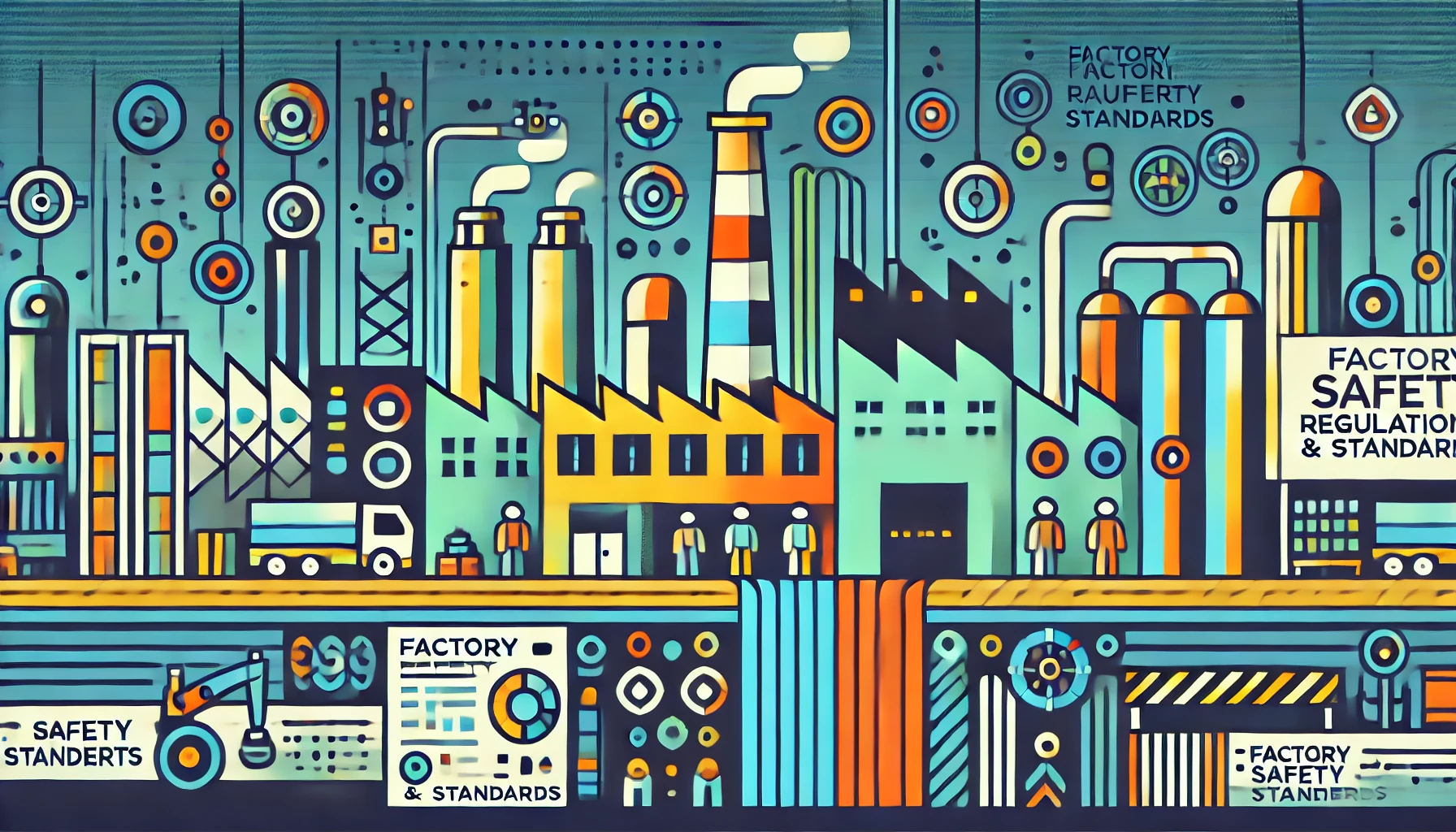
Factory safety regulations and standards are the rules, guidelines, and best practices designed to protect workers, equipment, and facilities from accidents, injuries, and health risks. In the first paragraph, it is essential to clarify that factory safety is not just about wearing helmets or posting warning signs. It is a comprehensive system that covers machinery, processes, training, workplace design, and emergency preparedness. As factories grow more automated and complex, understanding and complying with safety regulations and standards has become a critical responsibility for every manufacturing business.
What Are Factory Safety Regulations and Standards?
Factory safety regulations are legally binding rules issued by governments or regulatory authorities to ensure safe working conditions in industrial environments. These regulations define minimum safety requirements that factories must meet to operate legally.
Factory safety standards, on the other hand, are structured frameworks or guidelines—often developed by international or industry organizations—that help companies systematically manage workplace safety. While some standards are voluntary, many are required by customers, insurers, or regulators as proof of good safety management.
Together, regulations and standards aim to prevent workplace accidents, reduce occupational illnesses, and create a culture of safety across manufacturing operations.
Why Factory Safety Is So Important
Factories involve heavy machinery, electrical systems, chemicals, high temperatures, and repetitive physical work. Without proper safety controls, these environments can pose serious risks.
Protecting Workers: Safety regulations reduce injuries, illnesses, and fatalities.
Legal Compliance: Non-compliance can lead to fines, shutdowns, or criminal liability.
Operational Continuity: Accidents cause downtime, investigations, and production delays.
Cost Control: Workplace injuries increase insurance premiums, compensation claims, and legal costs.
Reputation and Trust: Strong safety records improve employer branding and customer confidence.
Productivity: Safe workplaces support higher morale and consistent performance.
Key Areas Covered by Factory Safety Regulations
Factory safety regulations typically address several core areas.
Machine Safety
Machine safety rules ensure that equipment is properly designed, installed, guarded, and maintained. This includes emergency stop systems, safety interlocks, guards on moving parts, and regular inspections.
Operators must be trained to use machines correctly, and maintenance work must follow lockout and isolation procedures to prevent accidental startups.
Electrical Safety
Electrical safety regulations cover wiring, grounding, circuit protection, and maintenance procedures. Factories must prevent electrical shocks, fires, and explosions through proper design and inspections.
Only qualified personnel should perform electrical work, and safety signage and protective equipment are often required.
Chemical and Hazardous Materials Safety
Factories using chemicals must follow strict rules for storage, labeling, handling, and disposal. Safety data sheets, spill response plans, and ventilation systems are common requirements.
Workers must be trained on chemical hazards and provided with appropriate protective equipment.
Fire Safety and Emergency Preparedness
Fire safety regulations require fire detection systems, extinguishers, evacuation routes, emergency lighting, and regular drills.
Emergency preparedness also includes response plans for explosions, chemical spills, natural disasters, and medical emergencies.
Workplace Ergonomics
Ergonomic standards aim to reduce strain, repetitive stress injuries, and long-term health issues. This includes workstation design, lifting practices, and job rotation.
Personal Protective Equipment (PPE)
Regulations define when and how PPE such as helmets, gloves, safety glasses, hearing protection, and respiratory equipment must be used.
Employers are responsible for providing, maintaining, and enforcing proper PPE usage.
Common Factory Safety Standards
Many factories follow internationally recognized safety standards to demonstrate compliance and best practices.
ISO 45001 (Occupational Health and Safety Management)
ISO 45001 provides a structured framework for identifying hazards, assessing risks, and improving workplace safety. It focuses on leadership commitment, worker participation, and continuous improvement.
OSHA Standards
In many countries, occupational safety authorities publish detailed safety rules covering machine guarding, electrical safety, chemical handling, and more. These standards are legally enforceable.
NFPA Fire Safety Standards
Fire safety standards define requirements for fire protection systems, emergency exits, and hazard prevention in industrial facilities.
Industry-Specific Safety Standards
Certain industries—such as food, pharmaceuticals, oil and gas, and automotive manufacturing—have additional safety standards tailored to their unique risks.
How Factory Safety Is Enforced
Factory safety regulations are enforced through inspections, audits, and investigations.
Regulatory agencies may conduct routine or unannounced inspections.
Accidents often trigger formal investigations.
Insurance providers and customers may also require independent safety audits.
Failure to comply can result in corrective actions, fines, legal penalties, or operational shutdowns.
The Role of Technology in Factory Safety
Technology plays an increasingly important role in improving factory safety.
Sensors and monitoring systems detect abnormal conditions such as overheating, gas leaks, or equipment malfunctions.
Manufacturing Execution Systems (MES) track safety checks, incidents, and training records.
AI-powered vision systems monitor unsafe behaviors or restricted zone violations.
Digital checklists and mobile reporting tools improve incident reporting and corrective actions.
Automation and robotics reduce human exposure to hazardous tasks.
Cost of Implementing Factory Safety Measures
Factory safety involves both direct and indirect costs.
Direct costs include safety equipment, PPE, training programs, inspections, and system upgrades.
Indirect costs include time spent on documentation, audits, and process adjustments.
However, the cost of accidents—injuries, downtime, legal claims, fines, and reputational damage—is often far greater than preventive safety investments.
Many manufacturers view safety spending as risk reduction and long-term value protection.
Pros and Cons of Strict Factory Safety Standards
Pros
Reduced workplace injuries and illnesses.
Lower legal and financial risks.
Improved employee morale and retention.
Higher operational stability and productivity.
Stronger reputation with customers and regulators.
Cons
Upfront investment in equipment and training.
Additional administrative and documentation workload.
Potential resistance to new safety procedures.
Ongoing effort to maintain compliance.
Compliant vs Unsafe Factory Environments
| Aspect | Compliant Factory | Unsafe Factory |
|---|---|---|
| Accident Risk | Low | High |
| Legal Exposure | Minimal | Severe |
| Employee Morale | High | Low |
| Operational Continuity | Stable | Disrupted |
| Reputation | Trusted | Damaged |
How to Build a Strong Factory Safety Program
Identify all applicable safety regulations and standards.
Conduct regular risk assessments and hazard identification.
Develop clear safety policies and procedures.
Train employees regularly and document training.
Encourage reporting of near-misses and unsafe conditions.
Use technology to monitor, document, and improve safety.
Review incidents and continuously improve safety practices.
Frequently Asked Questions
Are factory safety standards mandatory?
Government safety regulations are mandatory. Some standards are voluntary but often required by customers or insurers.
Who is responsible for factory safety?
Employers are legally responsible, but effective safety requires participation from management and workers.
How often should safety training be conducted?
Training should be ongoing, with refreshers when processes, equipment, or regulations change.
Can small factories follow the same safety standards?
Yes. While scale may differ, safety principles apply to all factories regardless of size.
Does automation improve safety?
Yes. Automation reduces human exposure to dangerous tasks, but new risks must also be managed.
Conclusion: Factory Safety as a Business Priority
Factory safety regulations and standards form the foundation of responsible and sustainable manufacturing. They protect workers, ensure legal compliance, and support stable, efficient operations.
While implementing safety measures requires investment and discipline, the benefits far outweigh the costs. Safer factories experience fewer disruptions, stronger employee engagement, and greater trust from customers and regulators.
In modern manufacturing, safety is not just a compliance requirement—it is a strategic priority that directly impacts long-term success.