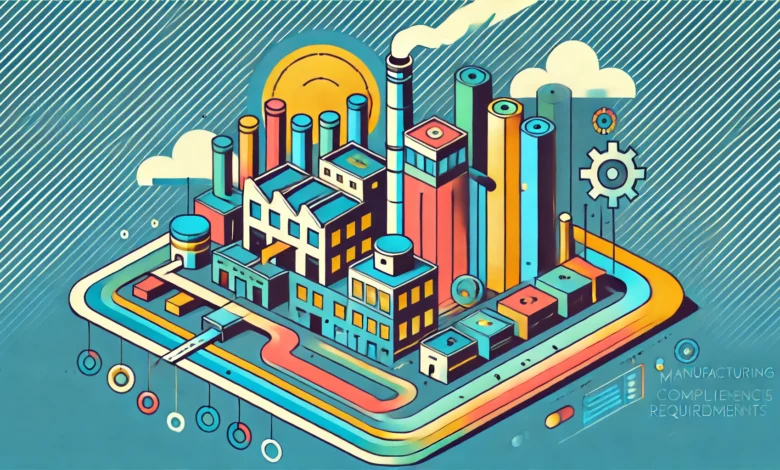
Manufacturing compliance requirements refer to the laws, regulations, standards, and industry rules that manufacturing companies must follow to operate legally, safely, and responsibly. In the first paragraph, it is important to clearly explain that compliance in manufacturing is not only about avoiding fines or penalties. It directly affects worker safety, product quality, environmental protection, data security, and business continuity. As manufacturing operations become more complex and globally connected, understanding and managing compliance requirements has become a critical part of running a successful factory.
What Are Manufacturing Compliance Requirements?
Manufacturing compliance requirements are formal obligations imposed by governments, regulators, industry bodies, and customers. These requirements govern how products are designed, produced, tested, documented, stored, and distributed. They also cover how factories manage employees, equipment, data, waste, and safety risks.
Compliance requirements vary by country, industry, product type, and market destination. A factory producing consumer electronics faces different compliance rules than a food processing plant or a pharmaceutical manufacturer. However, the common goal across all compliance frameworks is to ensure safety, quality, transparency, and accountability.
Manufacturing compliance is not a one-time effort. Regulations change, standards evolve, and audits are recurring. Effective compliance requires continuous monitoring, documentation, training, and improvement.
Why Manufacturing Compliance Is So Important
Compliance plays a foundational role in modern manufacturing for several reasons.
Legal Operation: Without compliance, manufacturers may face shutdowns, license revocation, or product bans.
Worker Safety: Regulations protect employees from hazardous conditions, machinery risks, and long-term health exposure.
Product Quality and Trust: Compliance ensures products meet safety and performance standards, protecting customers and brand reputation.
Market Access: Many markets and large customers require proof of compliance before doing business.
Risk Reduction: Proper compliance reduces the risk of accidents, recalls, lawsuits, and operational disruptions.
Investor and Partner Confidence: Strong compliance programs demonstrate professionalism and long-term viability.
Major Categories of Manufacturing Compliance
Manufacturing compliance requirements generally fall into several key categories.
Health and Safety Compliance
Health and safety regulations protect workers from injury, illness, and unsafe working conditions. These rules cover machine safety, electrical systems, chemical handling, ergonomics, fire prevention, and emergency response.
Common safety requirements include risk assessments, safety training, protective equipment, incident reporting, and regular inspections. In many countries, occupational safety authorities conduct audits and investigations following accidents.
Environmental Compliance
Environmental regulations control how manufacturers manage waste, emissions, water usage, hazardous materials, and energy consumption. These rules aim to minimize environmental impact and protect surrounding communities.
Environmental compliance may involve permits for air emissions, wastewater discharge, waste disposal, and chemical storage. Manufacturers must often monitor and report environmental data regularly.
Quality and Product Compliance
Quality compliance ensures that products meet defined standards and specifications. This includes product safety, labeling accuracy, material traceability, and consistency.
Industry-specific standards such as ISO 9001, GMP (Good Manufacturing Practice), or sector regulations (automotive, medical devices, food) fall into this category.
Labor and Employment Compliance
Labor compliance governs wages, working hours, employee rights, contracts, benefits, and workplace conditions. Manufacturers must comply with labor laws, union agreements, and employment standards.
This area also includes anti-discrimination policies, child labor restrictions, and workforce documentation requirements.
Data and Cybersecurity Compliance
As factories become digital, data compliance is increasingly important. Regulations may govern how employee data, customer data, production data, and intellectual property are stored and protected.
Cybersecurity compliance helps prevent data breaches, production disruptions, and intellectual property theft.
Industry-Specific Regulations
Some industries face highly specialized compliance rules. Examples include pharmaceutical regulations, food safety laws, automotive safety standards, and aerospace certification requirements.
These regulations often require strict documentation, validation, and traceability.
Common Manufacturing Compliance Standards
Many manufacturers follow internationally recognized standards to demonstrate compliance.
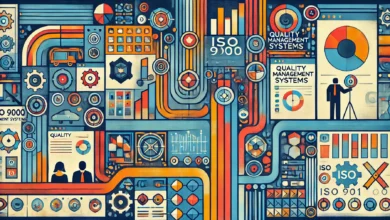
ISO 9001 (Quality Management Systems)
ISO 9001 focuses on consistent quality, customer satisfaction, and continuous improvement. It is widely used across manufacturing industries.
ISO 14001 (Environmental Management Systems)
ISO 14001 provides a framework for managing environmental responsibilities, reducing waste, and improving sustainability.
ISO 45001 (Occupational Health and Safety)
This standard helps organizations manage workplace safety risks and improve employee well-being.
GMP (Good Manufacturing Practice)
GMP applies to regulated industries such as pharmaceuticals, food, and medical devices. It emphasizes cleanliness, traceability, documentation, and process control.
Industry and Regional Regulations
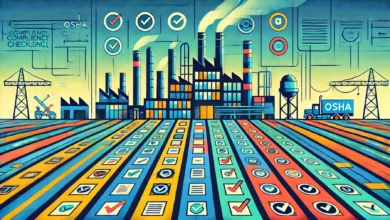
Examples include CE marking, FDA regulations, OSHA rules, and local government manufacturing laws.
How Manufacturing Compliance Is Enforced
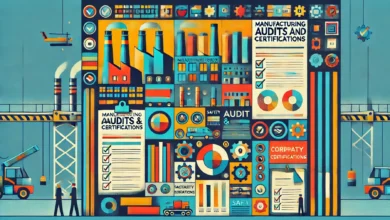
Compliance is enforced through inspections, audits, certifications, and reporting requirements.
Regulatory authorities may conduct scheduled or surprise inspections.
Customers or partners may require third-party audits as part of supplier qualification.
Certification bodies assess compliance with international standards.
Non-compliance can result in warnings, fines, product recalls, legal action, or shutdowns.
Role of Technology in Manufacturing Compliance
Technology plays a growing role in managing compliance efficiently.
Manufacturing Execution Systems (MES) track production, quality, and traceability in real time.
ERP systems manage documentation, training records, audits, and regulatory reporting.
Digital checklists, sensors, and automated reporting reduce manual errors.
AI and analytics help detect anomalies, predict compliance risks, and support audits.
Digital systems also create audit-ready records, reducing the stress and cost of inspections.
Cost of Manufacturing Compliance
Compliance has both direct and indirect costs.
Direct costs include certification fees, audits, safety equipment, monitoring tools, and training programs.
Indirect costs include time spent on documentation, system upgrades, and process changes.
However, non-compliance is often far more expensive. Fines, recalls, downtime, legal action, and reputational damage can significantly exceed the cost of proactive compliance.
Many manufacturers view compliance not as a cost center, but as risk management and long-term value protection.
Pros and Cons of Strict Manufacturing Compliance
Pros
Improved safety and reduced accidents.
Higher product quality and consistency.
Better access to global markets and customers.
Lower risk of fines, recalls, and legal issues.
Stronger brand reputation and trust.
Cons
Upfront costs for systems, training, and audits.
Increased documentation and administrative workload.
Complexity when operating across multiple regions.
Change management challenges for staff.
Manufacturing Compliance vs Non-Compliant Operations
| Aspect | Compliant Manufacturing | Non-Compliant Manufacturing |
|---|---|---|
| Legal Risk | Low | High |
| Product Quality | Consistent and controlled | Variable and unpredictable |
| Market Access | Broad and scalable | Limited or restricted |
| Operational Stability | High | Vulnerable to shutdowns |
| Customer Trust | Strong | Weak |
How to Build an Effective Manufacturing Compliance Program
Start by identifying all applicable laws, regulations, and standards for your industry and markets.
Assign clear ownership for compliance responsibilities.
Document processes, controls, and procedures thoroughly.
Train employees regularly and update training as regulations change.
Use digital tools to track audits, incidents, and corrective actions.
Conduct internal audits to identify gaps before regulators do.
Continuously review and improve compliance practices.
Frequently Asked Questions
Is manufacturing compliance only for large companies?
No. Small and mid-sized manufacturers must also comply with regulations, although requirements may vary by scale and industry.
How often do compliance audits occur?
This depends on regulations and certifications, but audits are often annual or periodic, with additional inspections after incidents.
Can software help with compliance?
Yes. ERP, MES, and compliance management tools significantly reduce manual work and improve accuracy.
What happens if a factory fails a compliance audit?
Consequences range from corrective action plans to fines, certification loss, or operational shutdowns.
Do compliance requirements change often?
Yes. Regulations evolve with technology, safety standards, and environmental priorities, requiring continuous monitoring.
Conclusion: Why Manufacturing Compliance Matters
Manufacturing compliance requirements are essential to safe, legal, and sustainable industrial operations. While compliance can seem complex and demanding, it protects workers, customers, the environment, and the business itself.
By understanding compliance categories, investing in the right systems, and embedding compliance into daily operations, manufacturers can reduce risk, improve quality, and build long-term resilience.
In an increasingly regulated and competitive world, strong manufacturing compliance is not just an obligation—it is a strategic advantage.